When we talk about designing learning experiences, one phrase should never be an afterthought: 508 compliance. For Learning & Development (L&D) professionals and instructional technologists, ensuring accessibility isn’t just a legal requirement; it’s a moral and strategic imperative.
Section 508 of the Rehabilitation Act requires that federal agencies make their electronic and information technology accessible to people with disabilities. But even outside of government settings, the principles of 508 compliance create a more inclusive, effective, and equitable learning environment for all learners.

What 508 Compliance Means for L&D
In practical terms, 508 compliance ensures that training materials, e-learning courses, and digital learning systems are usable by individuals with visual, auditory, cognitive, or motor impairments. For L&D teams, this translates into:
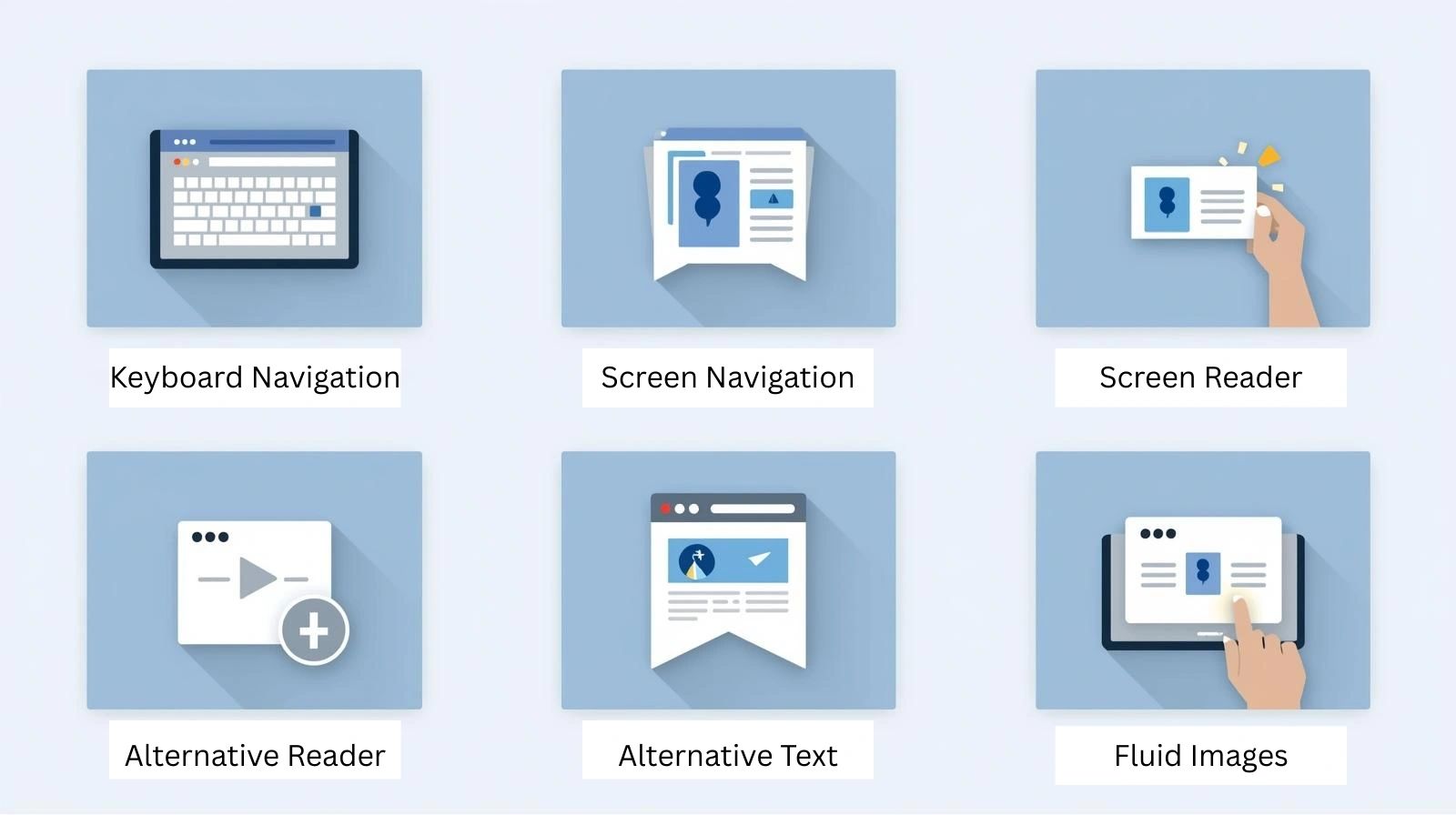
- Accessible eLearning modules: Courses that work with screen readers, have logical navigation, and avoid reliance on color alone.
- Captioning and transcripts: Every video or audio asset needs synchronized captions and/or written transcripts.
- Keyboard navigation: Learners must be able to navigate training without a mouse.
- Alt-text for images: Visual content should have meaningful alternative text descriptions.
These practices aren’t about adding extra work; they’re about ensuring every learner can participate fully.
Why It Matters Beyond Compliance
- Inclusivity Drives Engagement
Accessibility ensures learners aren’t excluded from training opportunities. When people feel included, engagement and retention rise. - Broader Reach
Accessibility best practices support not only learners with disabilities, but also those in low-bandwidth environments, multilingual settings, or mobile-first contexts. - Future-Proofing Content
Organizations that design with accessibility in mind are better positioned for emerging regulations, industry standards, and diverse global audiences. - Corporate Responsibility
Accessibility demonstrates a commitment to diversity, equity, and inclusion (DEI), a value that resonates with employees, clients, and partners.
Common Gaps in Instructional Technology
Even with the best intentions, many organizations fall short on accessibility. Some common issues include:
- Authoring tools are used without accessibility settings enabled.
- Over-reliance on drag-and-drop or gamified content that isn’t keyboard accessible.
- Multimedia without captions or descriptive transcripts.
- Learning management systems (LMS) that don’t fully support accessibility plugins.
How to Integrate 508 Compliance into Your Workflow
The key is to embed accessibility into the design process, not bolt it on at the end. Here’s how:
- Plan early: Include accessibility as a requirement in your project charter and design documents.
- Use accessible templates: Build compliance into PowerPoint, Storyline, Rise, Captivate, and other tools.
- Test with real users: Partner with employees or learners who use assistive technology for feedback.
- Leverage accessibility checkers: Many tools (Microsoft Office, Adobe, LMS platforms) include built-in accessibility reports.
- Train your team: Ensure instructional designers, developers, and SMEs know accessibility basics.
The Mether By Design Perspective
At Mether By Design, we see 508 compliance as more than a box to check; it’s a cornerstone of designing learning organizations. Accessibility aligns with our philosophy that learning must be embedded, inclusive, and human-centered.
When leaders commit to accessible instructional technology, they’re not only meeting compliance standards, they’re building a culture of learning that values every voice and every learner.
✅ Call to Action: Want to ensure your L&D programs are fully 508 compliant and learner-centered? Mether By Design helps organizations audit their learning ecosystems, update training for accessibility, and design future-ready programs that meet compliance and engagement goals. 508 accessibility standards 508c compliance 508 compliance accessibe section 508 accessibility