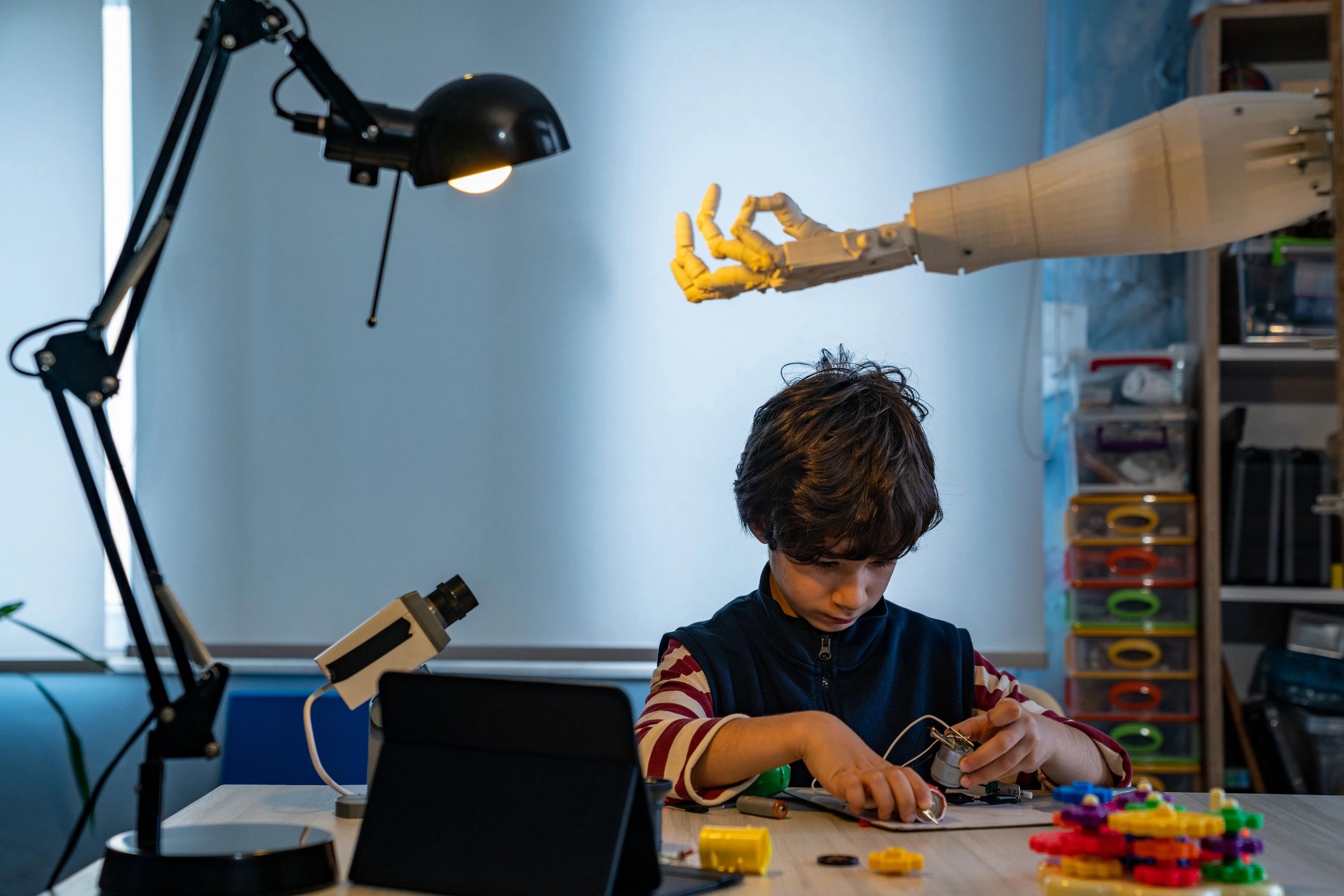
Pioneering the Future of Learning
Artificial intelligence is setting a revolutionary pace in modern education, shifting traditional classroom paradigms into dynamic, personalized environments. As AI steadily transforms how educators teach and students learn, its growing influence is reshaping learning experiences in urban centers and communities like Bartlett, TN.
In this section, you’ll uncover how AI streamlines instruction, empowers educators with real-time insights, and customizes learning paths to cater to individual strengths and challenges. Get ready to explore actionable strategies that integrate technology seamlessly, turning data into a resource for fostering engagement and academic success.
Key takeaways include:
- Personalized Learning: Tailor educational content to fit diverse student needs.
- Efficient Classroom Management: Automate administrative tasks to create more time for engaging instruction.
- Adaptive Assessment: Utilize continuous feedback for real-time improvements.
- Ethical Implementation: Understand key practices to ensure responsible AI integration.
Dive into this guide to discover practical tips, clear explanations, and step-by-step approaches that simplify the integration of AI tools in educational settings. Prepare to see how modern innovations not only overcome common challenges but also pave the way for transformative, future-ready education.
Revolutionizing Learning: The AI-Powered Classroom
Artificial intelligence is reshaping education by driving innovative methods that cater to each student’s unique learning journey. Modern classrooms are integrating AI tools to create highly personalized experiences, transforming traditional teaching into dynamic, interactive environments. With AI-powered platforms, educators can identify individual strengths and weaknesses, enabling them to adjust lesson plans on the fly and address specific learning challenges effectively.
Key advantages include:
- Adaptive Content Delivery: Lessons are customized to match each student’s learning pace and style.
- Real-Time Feedback: Instant insights allow for immediate improvements in teaching strategies.
- Streamlined Administrative Tasks: Automation of grading and scheduling reduces workload, freeing up time for mentorship.
Educators across regions, including communities like Bartlett, TN, are embracing these advancements to enhance curriculum delivery. This not only strengthens student engagement but also fosters an environment where continuous improvement is the norm. By blending analytical precision with creative educational practices, AI is setting the stage for a future where teaching is both personalized and forward-thinking, paving the way for academic excellence in increasingly diverse learning landscapes.
Top 5 Transformative Benefits of AI in Classrooms
- Enhanced Student Engagement
AI-powered tools create immersive and interactive lesson experiences that transform the classroom environment. These platforms engage learners actively, encouraging participation while making complex subjects accessible. Such dynamic engagement not only sustains attention but also fosters a love for learning. - Personalized Learning Experiences
Adaptive learning systems use real-time assessments to tailor educational content to each student’s pace and style. By identifying individual strengths and areas for improvement, these tools help educators customize lessons, ensuring every student receives targeted support and motivation. - Streamlined Administrative Tasks
AI applications simplify routine administrative tasks like grading, attendance tracking, and scheduling. This automation allows educators to dedicate more time to innovative teaching methods and direct student interaction, resulting in a more effective learning environment. - Real-Time Feedback and Data Insights
Immediate analytics facilitate timely interventions, enabling instructors to adjust lesson plans on the spot. This data-driven approach ensures that learning outcomes are continuously optimized. - Bridging Traditional and Digital Learning
Integrating AI in education provides a seamless blend of conventional teaching with modern technology. This blend not only nurtures modern skills but also supports communities in locations like Bartlett, TN, setting the stage for a future-ready classroom.
Step-by-Step AI Implementation for Educational Excellence
Begin your journey toward integrating AI in the classroom with a well-structured, step-by-step approach. This guide outlines actionable steps to help educational institutions effectively harness AI tools.
- Define Objectives: Establish clear goals for what you want AI to achieve in your learning environment. Identify areas where personalized instruction and real-time feedback can enhance outcomes.
- Build Your Framework:
- Assess current technological infrastructure.
- Ensure robust data privacy and security measures are in place.
- Select scalable AI platforms that align with your established objectives.
- Pilot Programs: Launch a small-scale pilot to test AI’s compatibility with your existing systems. Collect feedback from educators and students to refine the process.
- Train Educators: Conduct specialized training sessions focused on mastering AI tools, ensuring teachers can utilize these systems effectively.
- Gradual Rollout: Expand deployment in phases, continuously monitoring performance and making adjustments.
Tip: Leverage local innovation hubs, such as those in Bartlett, TN, to collaborate with fellow educators and tech experts, ensuring your AI integration is both practical and forward-thinking.
Frequently Asked Questions About AI in Education
What are the common challenges of integrating AI into classroom settings?
Many educators face difficulties reconciling traditional teaching methods with advanced AI tools. Challenges include limited technical expertise, budget constraints, and resistance to change. Schools often need to invest in professional development to help teachers adapt and become comfortable with new technologies.
How can schools ensure the ethical use of AI in education?
Ethical AI implementation requires clear data privacy measures, regular audits, and strong transparency policies. Establish guidelines that safeguard student information while using AI for personalized learning, ensuring that ethical practices are maintained throughout the integration process.
What steps should be taken for a smooth AI rollout in educational institutions?
A structured approach is key. Consider these actions:
- Initiate pilot programs to test AI tools in small groups
- Conduct comprehensive training sessions for staff
- Gather feedback and gradually scale the implementation
How does AI support personalized learning experiences?
AI systems rapidly analyze student performance and adjust content accordingly. This adaptive approach not only caters to individual learning needs but also helps identify areas for improvement, ensuring each student receives tailored support.
Can local communities, such as those in Bartlett, TN, benefit from AI in education?
Absolutely. AI tools offer localized solutions that address community-specific challenges, driving innovation in schools. The integration of AI can streamline administration and enrich classroom engagement, creating a more dynamic learning environment.
Real-World Impact: AI Transforming Education in Diverse Communities
Across various educational settings, innovative case studies illustrate how AI is reshaping classrooms and empowering teachers to deliver personalized learning experiences. In community schools and urban centers alike, AI-driven platforms have proven to be a catalyst for change. For example, in areas like Bartlett, TN, educators are harnessing advanced analytics to tailor content and interventions to individual student needs. This approach not only bridges learning gaps but also fosters an inclusive environment for learners from diverse backgrounds.
Key success elements include:
- Personalized Learning Journeys: Adaptive systems that modify lessons in real time based on student progress.
- Enhanced Engagement: Interactive interfaces and virtual tutors that stimulate active participation.
- Efficient Administrative Support: Streamlined grading and scheduling enable teachers to focus more on instruction.
Practical implementations of AI have demonstrated measurable improvements in student performance and engagement. Educators have leveraged these systems to initiate pilot programs, gradually scaling their use to support a broader spectrum of learning styles. As AI technologies integrate further into academic settings, the result is a resilient education framework that combines data-driven insights with empathetic, human-centered teaching practices—ultimately empowering communities to achieve academic excellence.
Final Thoughts: Pioneering a Future-Ready Learning Landscape
Reflecting on the journey through AI’s role in education, it becomes clear that intelligent systems are transforming not only how educators teach but also how learners engage. This evolution is marked by increased personalization, improved instructional strategies, and more precise data analytics that empower educators to address individual needs. As traditional methods combine with advanced technology, schools—from large urban centers to communities in Bartlett, TN—can develop more inclusive, adaptive learning experiences.
Key actionable steps include:
- Embracing Adaptive Technologies: Begin by integrating smart systems that adjust to diverse student learning styles.
- Ensuring Ethical Practices: Prioritize transparent data handling and secure privacy protocols.
- Enhancing Educator Training: Regular hands-on sessions ensure teachers remain empowered to implement these innovations.
Looking ahead, the marriage of traditional and digital teaching methodologies sets the stage for continuous growth. As education evolves into a more dynamic and responsive field, all stakeholders are encouraged to experiment, learn, and innovate. The transformative power of AI is not merely about automating tasks; it’s a catalyst for reimagining education in a way that prepares learners for the future. Embrace these changes—with determination and insight, every educational institution can lead the charge into this exciting new era.